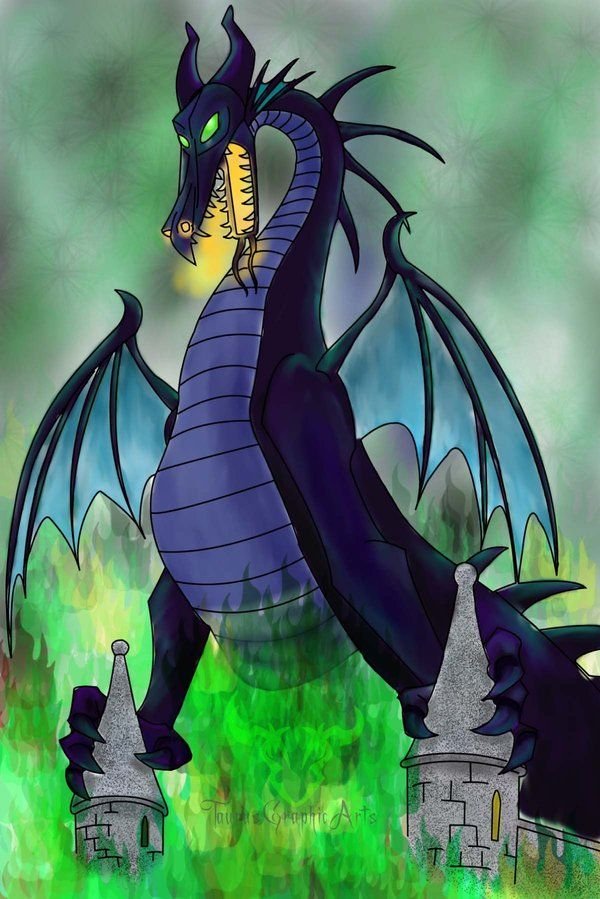
When you think of the ultimate showdowns in animated history, one scene often springs to mind, etched into the collective consciousness: Prince Phillip's iconic battle with Maleficent in her terrifying dragon form. This isn't just a fight; it's a masterclass in animated spectacle, heroic resolve, and the enduring power of good against overwhelming evil. Let's peel back the layers of this legendary confrontation, dissecting its narrative brilliance, animation prowess, and lasting impact.
At a Glance: What Makes This Battle Unforgettable
- A Hero's Defining Moment: Phillip transitions from a charming prince to a true hero through sheer grit and courage.
- Maleficent's Apex: The villain unleashes her full, terrifying power, transforming into a colossal dragon.
- Pioneering Animation: The sequence was a technical marvel for its time, showcasing unparalleled scale and effects.
- Fairies' Crucial Aid: The benevolent fairies play a vital, active role, empowering Phillip and ensuring victory.
- Symbolic Victory: More than just a fight, it represents hope overcoming despair and love conquering hate.
Setting the Stage: A Kingdom's Last Hope on Horseback
Before the fire and fury, there’s a desperate race against time. The entire narrative of Sleeping Beauty funnels into this singular, high-stakes moment. Princess Aurora is cursed, trapped in an enchanted slumber, and only true love's kiss can break the spell. Her designated rescuer, Prince Phillip, finds himself not merely in a race to a castle, but on a perilous journey, battling his way out of Maleficent's dungeon.
This isn't your typical passive prince awaiting instruction; Phillip is a man of action. From the moment he learns Aurora's fate, his resolve is unwavering. He's escaped Maleficent's torturous confines, endured mocking jeers, and now, armed with nothing but a sword and shield bestowed by the good fairies (and a little magical boost to his steed, Samson), he charges towards destiny. His journey isn't just physical; it's a symbolic ride through the literal thorns and metaphorical darkness Maleficent has cast over the land. To truly understand the weight of this final confrontation, you must first appreciate the story of Prince Phillip's journey leading up to it, a tale of quiet bravery and unwavering commitment.
The Gates of Hell: Confronting Maleficent Herself
As Phillip approaches King Stefan's castle, he's met not by cheering guards, but by a formidable, thorny fortress conjured by Maleficent. The prince, never one to back down, plunges through the thorns, only to be confronted by the mistress of evil herself. She stands atop a spire, a chilling silhouette against a stormy sky, initially attempting to mock him and reveal her continued power.
"No, it cannot be!" Maleficent hisses, her voice dripping with venomous surprise as Phillip breaches her defenses. Her shock quickly morphs into incandescent rage. This isn't just a prince; this is the harbinger of her undoing. The subsequent declaration is one of cinema's most iconic villain speeches: "Now shall you deal with me, old prince, and all the powers of hell!" This isn't a mere threat; it's a promise of annihilation, delivered with the full, terrifying weight of her sorcerous might.
And then, it happens. With a flash of green light, a roar that shakes the very foundations of the castle, and a cataclysmic transformation, Maleficent sheds her elegant robes and emerges as an enormous, fire-breathing dragon. It's a shocking, breathtaking moment of animation, transforming a stylish sorceress into an primal force of destruction. This metamorphosis isn't just a visual flourish; it amplifies the stakes tenfold, signaling that Phillip isn't fighting a person, but an embodiment of pure, unadulterated evil.
The Fire-Breathing Menace: A Clash of Ideals
The dragon Maleficent is a spectacle of terror. Her scales glint with menace, her eyes burn with infernal fury, and her roar echoes with ancient, destructive power. Phillip, though visibly dwarfed, doesn't falter. "Phillip courageously starts towards her," the script notes, highlighting his immediate, almost impulsive bravery. This isn't a calculated maneuver; it's the raw instinct of a hero driven by purpose.
However, courage alone is not enough against such might. The initial exchange is brutal and swift, designed to establish the overwhelming power imbalance. "But he has no chance against the fire-spying dragon," confirms the narrative. Maleficent, a force of nature, unleashes torrents of green fire, forcing Phillip and Samson into a desperate retreat. The visuals here are stunning: the dynamic movement of the dragon, the intense heat radiating from her fiery breath, and the sheer scale of the conflict.
Phillip's retreat isn't cowardice; it's strategic. He finds himself cornered, "At a wall, he has to stop." The dragon continues its relentless assault, its fire licking at his heels. In one harrowing moment, "At another blaze of fire he loses his shield." This is a critical narrative beat. The shield, often a symbol of protection and defense, is gone. Phillip is now utterly exposed, his vulnerability starkly apparent. This loss amplifies the danger, emphasizing that he cannot win this battle through conventional means or individual strength alone. He's trapped, outmatched, and seemingly doomed.
Divine Intervention: The Fairies' Crucial Role
Just as hope seems lost, a tiny, ethereal spark appears. The three good fairies – Flora, Fauna, and Merryweather – who have guided Phillip thus far, refuse to let him fall. Their magic, previously used to nurture Aurora and subtly aid Phillip, now takes center stage in a direct confrontation with Maleficent.
"Flora: Hop! come this way," beckons one of the fairies, guiding Phillip up a perilous cliff face. This tactical maneuver places him on higher ground, a temporary reprieve from the immediate onslaught, but also, paradoxically, a trap. He's now isolated on a precipice, with the monstrous dragon below.
The fairies understand the limitations of mortal strength against "all the powers of hell." "The fairies at the prince, they combine their magic on the sword," notes the script. This is a pivotal moment of empowerment. They imbue Phillip's sword with potent magic, transforming it from a mere blade into the "Sword of Truth."
Flora, as the lead, proclaims the enchantment with a powerful incantation: "Now sword of truth fly swift and sure, That evil die and good endure!" This isn't just a magical spell; it’s a thematic declaration. The sword becomes an instrument of cosmic justice, ensuring that the foundational principles of good and evil are upheld. It’s no longer Phillip's strength, but the combined power of virtue and truth, channeled through him, that will strike the decisive blow. This scene powerfully reinforces the idea that even the strongest hero sometimes needs help, and that unity can overcome even the most formidable evil.
The Final Strike: A Hero's Destiny Fulfilled
With the Sword of Truth now glowing, humming with an inner light, Phillip stands ready. The dragon lunges, its jaws snapping, its fiery breath threatening to consume him. This is the ultimate test of courage and faith. Phillip, with a mighty heave, throws the enchanted blade.
"Phillip throws the sword at the dragon, which is hit deadly and collapses," the script succinctly states. The trajectory of the sword is depicted with stunning clarity, a brilliant arc cutting through the stormy sky, piercing the dragon’s chest. The impact is catastrophic. The dragon roars in agony, its colossal form teetering before it plunges hundreds of feet into the chasm below. With a final, desperate gasp, Maleficent, now back in her true form, dissolves into a putrid, black smoke, leaving behind only her tattered, charred cloak.
The fall and dissolution of Maleficent are powerfully symbolic. It's not just a physical defeat; it’s the eradication of her evil presence. The thorns surrounding the castle wither and die, revealing the path to the sleeping princess. The storm clouds dissipate, replaced by the soft glow of dawn. The world, previously cloaked in despair, is now cleansed, ready for Aurora's awakening. This final strike is the ultimate fulfillment of Phillip’s heroic destiny, proving that even against overwhelming odds, courage, truth, and a little help from friends can prevail.
Beyond the Flames: What Makes This Battle Iconic?
This dragon battle isn't merely a thrilling sequence; it's a cornerstone of animated storytelling, lauded for several profound reasons.
Pioneering Animation: A Technical Marvel
For its release in 1959, the Maleficent dragon battle was a groundbreaking achievement in animation. The sheer scale of the dragon, the fluidity of its movement, and the intricate effects of fire, smoke, and shattered stone were revolutionary. The animators, notably Marc Davis (Maleficent's character design) and Wolfgang Reitherman (animation director for the sequence), pushed the boundaries of what hand-drawn animation could achieve.
- Sense of Scale: The massive dragon against the tiny prince creates an incredible sense of jeopardy and grandeur. The animators meticulously planned each shot to emphasize this disparity.
- Dynamic Motion: The dragon's animation is incredibly fluid and aggressive, conveying immense power and weight. Its movements aren't cartoonish; they feel visceral and real.
- Special Effects: The fire effects were particularly challenging and innovative, lending a terrifying realism to Maleficent's destructive capabilities. The dissolve of Maleficent into smoke was also a complex sequence to execute, demonstrating technical mastery.
Hero Archetype Redefined: The Proactive Prince
Prior to Phillip, many Disney princes were more reactive than proactive, often appearing at the end to "wake" the princess (think Prince Charming in Snow White). Phillip, however, is a dynamic force from his introduction. He rides, sings, fights, and actively pursues his destiny. This battle solidifies his place as one of Disney's most valiant and hands-on heroes. He is courageous, resourceful, and capable of holding his own, even if he needs a little magical assistance to level the playing field. He makes choices, suffers setbacks, and perseveres, setting a new standard for animated male leads.
Thematic Resonance: Good Versus Evil Incarnate
The battle is a powerful allegorical representation of good triumphing over evil. Maleficent, in her dragon form, is not just a monster but the embodiment of all that is dark and destructive. Phillip, armed with the Sword of Truth and guided by the benevolent fairies, represents purity, courage, and hope. The stakes are cosmic: the fate of a princess, a kingdom, and the very balance of light and shadow rest on his shoulders. The narrative ensures that the victory isn't just physical, but deeply moral and spiritual.
Narrative Climax: The Ultimate Payoff
Every element of Sleeping Beauty builds to this confrontation. The curse, Aurora's enchantment, Phillip's imprisonment, the fairies' efforts—all culminate here. The battle serves as the narrative's intense climax, providing catharsis and paving the way for the resolution. It’s a beautifully constructed sequence that delivers on all the promises and tensions built throughout the film.
Misconceptions & Lingering Questions
This epic scene, while revered, sometimes sparks debate among fans and critics.
Was Phillip Truly Helpless Without the Fairies?
It's a common observation that Phillip wouldn't have defeated Maleficent's dragon form without the fairies' magic. And the script confirms, "But he has no chance against the fire-spying dragon." This doesn't diminish Phillip's heroism, however. Instead, it underscores a deeper thematic point: true heroism isn't always about solitary strength. It's about courage, perseverance, and knowing when to accept help. The fairies don't fight for Phillip; they empower him. They provide the tool (the Sword of Truth) but Phillip wields it, makes the critical throw, and faces the dragon's fury head-on. His courage is paramount; their magic is the necessary catalyst. This collaboration highlights the strength found in unity against overwhelming evil.
How Does This Battle Compare to Other Disney Climaxes?
The Maleficent dragon battle is often cited as one of Disney's most intense and visually stunning climaxes, arguably setting a benchmark for future animated action sequences. While other films like The Lion King (Scar vs. Simba) or The Little Mermaid (Ursula vs. Ariel/Eric) feature powerful finales, Sleeping Beauty's dragon battle stands out for its sheer fantasy scope, its traditional animation excellence, and the sheer destructive power of the villain. The use of scale and the visceral sense of danger are truly unparalleled for its era.
The Role of Maleficent's Power: A Force of Nature
Maleficent's dragon form is not just a larger version of herself; it's a raw, untamed force. She literally becomes the embodiment of her malice and rage. The transformation isn't just about increased physical power; it's a shedding of all pretense, revealing her pure, destructive core. This makes the victory against her all the more significant, as it's a triumph over an almost elemental evil.
The Enduring Legacy of a Dragon Slayer
The scene of Prince Phillip confronting the Maleficent dragon remains a towering achievement in animation and a definitive moment in Disney storytelling. It set a precedent for active, brave heroes and villains of truly terrifying power. It cemented Sleeping Beauty as a visually stunning masterpiece and a masterclass in classic animation techniques.
Today, decades later, the imagery is still potent: the green fire, the thundering roar, the small figure of the prince standing firm against an impossible foe. It continues to inspire awe, remind us of the enduring battle between good and evil, and solidify Prince Phillip's place as one of animation's most memorable dragon slayers. It teaches us that even when the odds are stacked against you, and you lose your shield, the Sword of Truth, wielded with courage, can indeed ensure "That evil die and good endure!" It’s a testament to the power of unwavering resolve, the strength of collaboration, and the timeless appeal of a truly epic struggle.